In today’s digital landscape, cyber threats are more sophisticated than ever. While organizations invest heavily in firewalls, endpoint protection, and SIEM tools, many overlook a critical layer of defense, DNS Security. The Domain Name System (DNS) is foundational to internet connectivity, making it a prime target for attackers and a strategic point for defense.
What is DNS Security?
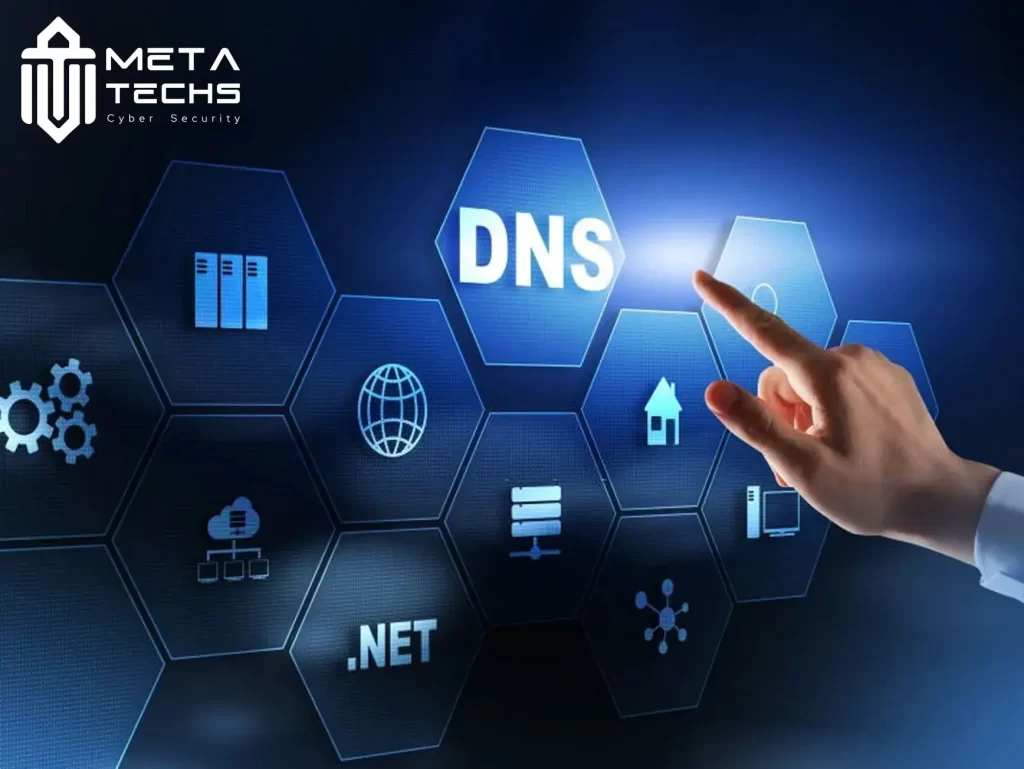
DNS Security refers to a set of protocols, practices, and technologies designed to protect DNS infrastructure from misuse and attacks. DNS translates domain names into IP addresses, allowing users to access websites and services. If attackers compromise this process, they can redirect users, steal data, or take systems offline.
How DNS Security Enhances Your Cybersecurity Strategy
DNS Security is not just about protecting DNS—it plays a strategic role in your broader cybersecurity defense stack:
- Early Threat Detection: DNS queries are often the first sign of malware activity. Monitoring DNS traffic provides early warning signals.
- Prevention at the Network Layer: DNS filtering can stop users or devices from reaching known malicious sites, even if the threat bypasses endpoint protection.
- Zero Trust Enablement: DNS visibility supports Zero Trust policies by monitoring every device’s network behavior.
- Compliance and Auditing: DNS logs can support compliance requirements (like GDPR, HIPAA, or ISO 27001) by offering evidence of control and response.
Best Practices for DNS Security
To secure your organization’s DNS infrastructure, Meta Techs recommends a layered approach:
-
Use DNS Filtering
Block access to domains associated with malware, phishing, and Command and Control servers based on real-time threat intelligence.
-
Implement DNSSEC
Use DNS Security Extensions to validate the authenticity of DNS responses and protect against spoofing.
-
Encrypt DNS Traffic
Leverage DoH (DNS over HTTPS) or DoT (DNS over TLS) to prevent DNS queries from being intercepted and inspected.
-
Monitor DNS Logs
Real-time logging and analysis of DNS requests help detect abnormal behaviors like data exfiltration or lateral movement.
-
Use Redundant DNS Providers
Ensure high availability by deploying resilient DNS infrastructure with multiple providers and geographic distribution.
DNS Security as a Service from Meta Techs
At Meta Techs, we provide comprehensive DNS security solutions that integrate seamlessly into your existing network and security architecture.
Our services include:
- DNS threat intelligence integration for real-time filtering
- 24/7 DNS traffic monitoring and alerting
- Incident response for DNS-related threats
- Deployment of DNSSEC and secure configurations
- Cloud-native DNS protection for hybrid and remote work environments
Why DNS Security Is Business-Critical
Modern enterprises face increasingly complex threats—from ransomware and phishing to insider attacks. In many cases, attackers rely on DNS to communicate, redirect, or extract data. If you’re not monitoring and protecting DNS traffic, you’re leaving a massive blind spot in your cybersecurity posture.
Securing DNS:
- Reduces exposure to malware, ransomware, and phishing
- Increases visibility into user and device behavior
- Enhances your ability to detect and respond to threats
- Supports secure remote access and cloud-based services
- Ensures business continuity even under attack
Conclusion
The DNS layer is often the first to know when something suspicious happens—and the first opportunity to stop it. Organizations that prioritize DNS security are better positioned to detect, block, and respond to threats before they do damage.
With Meta Techs, you gain a trusted partner in DNS defense—one that understands the technical complexity, regulatory requirements, and real-world risks of today’s connected environments.
Protect the core of your internet activity. Start with DNS Security.
Related posts:
 Website hack repair service with meta techs
 Fawry comments on cyber attacks and data leaking
 Effective Policy for data retention policy best practices
 the Latest fortinet vulnerability 2024
 What Is ISO 27001?, Core Principles, Benefits, and Requirements
 Cylance Protect Antivirus for Your Digital Assets